

From Curious to Confident: How Explorers Practice Independent Thinking
Ages 2–3 | Abagtha Academy Explorers Program
At Abagtha Academy, we believe confidence begins with curiosity. During the Explorers stage (ages 2–3), children are naturally eager to touch, test, question, and discover the world around them. Our role as educators is to guide that curiosity into independent thinking, problem-solving, and self-confidence—without pressure or unrealistic expectations.
This foundational stage prepares young learners for more structured environments while honoring the magic of early childhood.
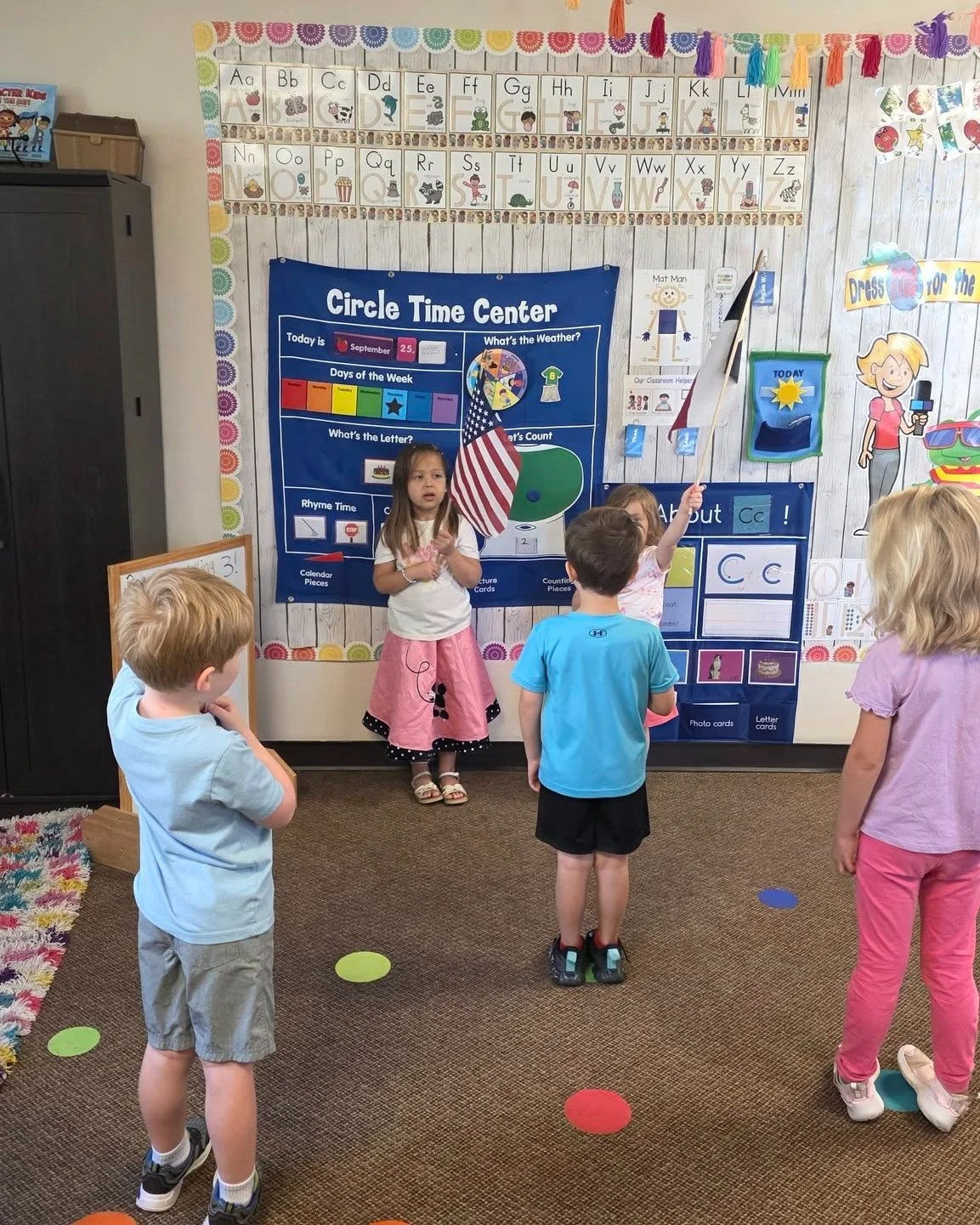
Why Independent Thinking Matters at Ages 2–3
Independent thinking doesn’t mean doing everything alone. For toddlers, it means:
Making simple choices
Trying new ideas without fear
Exploring cause and effect
Learning through hands-on experiences
Building confidence in their abilities
At ages 2–3, the brain develops rapidly through active exploration, not passive instruction. When children are encouraged to think for themselves, they gain skills that support lifelong learning.
Learning Through Hands-On Exploration
In the Explorers classroom at Abagtha Academy, learning is tangible and interactive. Children engage with materials that invite curiosity and experimentation, such as:
Water play and sensory bins
Simple science experiments
Building blocks and manipulatives
Art materials with open-ended outcomes
Rather than being told what to create or how to solve a problem, Explorers are encouraged to try, adjust, and try again—developing resilience and confidence.
Small Group Learning Builds Big Confidence
Small group interactions are a cornerstone of our Explorers program. These settings allow children to:
Express ideas in a safe, supportive environment
Observe and learn from peers
Practice turn-taking and cooperation
Ask questions and test solutions
With individualized attention from teachers, children feel seen and supported, which boosts their confidence to take initiative and make decisions.
Encouraging Choice and Decision-Making
Independent thinking starts with simple choices. In our Explorers classrooms, children regularly choose:
Which activity to explore
What materials to use
How long to stay engaged
These choices empower children to trust their instincts and take ownership of their learning—key skills for future academic success.
Movement and Creative Play as Thinking Tools
Physical movement and creative expression are essential to cognitive development. Our Explorers engage in:
Guided exercise routines
Free movement and balance activities
Creative arts and crafts
Music and rhythm play
These activities help children understand their bodies, regulate emotions, and express ideas—all while strengthening problem-solving and independent thinking.
Preparing for Structured Learning—Gently
The Explorers stage at Abagtha Academy serves as a bridge between early play and more structured learning environments. Through routines, small responsibilities, and guided exploration, children develop:
Focus and attention skills
Emotional confidence
Comfort with transitions
A love for learning
By nurturing independence early, we help children enter their next stage of education feeling capable and confident.
Growing Confident Explorers at Abagtha Academy
From curiosity to confidence, the Explorers program at Abagtha Academy is designed to support each child’s natural development. By combining hands-on learning, small group interaction, creative expression, and gentle guidance, we help children build the skills they need to thrive—both in school and beyond.
Interested in learning more about our Explorers program (Ages 2–3)?
Contact Abagtha Academy today to schedule a tour or speak with our educators.