

Number Sense for Preschoolers: Counting, Sorting, and “Math Thinking”
When parents think of kindergarten readiness, they often focus on letters and reading—but early math skills are just as important. Long before children begin worksheets or equations, they start developing something called number sense, the foundation of all future math learning.
At Abagtha Academy, we help children build strong number sense through hands-on, age-appropriate activities that make learning feel fun, natural, and engaging.
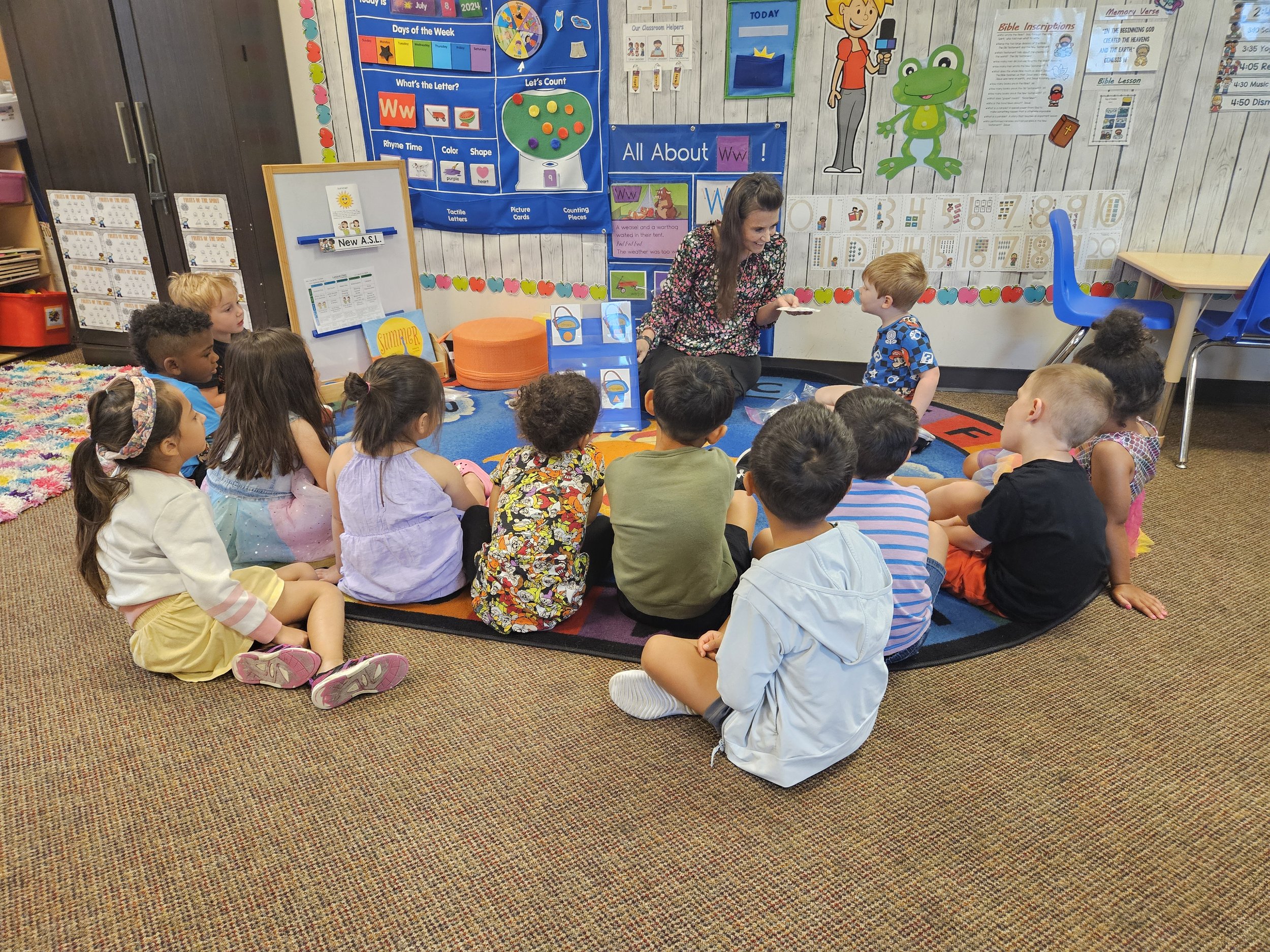
What Is Number Sense?
Number sense is a child’s ability to understand numbers and how they work in everyday life. It goes beyond simply counting to ten.
Strong number sense includes:
Understanding quantities (“more” vs. “less”)
Recognizing numbers
Counting with purpose
Sorting and grouping
Recognizing patterns
Beginning problem-solving skills
These early math concepts help children feel confident and capable when they enter kindergarten.
Counting: More Than Just Saying Numbers
Counting isn’t just memorizing numbers—it’s understanding what they mean.
At Abagtha Academy, children learn to:
Count objects during play
Match numbers to quantities
Practice one-to-one correspondence
Recognize numbers in everyday routines
Whether they’re counting toys, snacks, or steps, children begin to understand that numbers represent real things.
👉 Why it matters: This builds the foundation for addition, subtraction, and problem-solving later on.
Sorting & Classifying: A Key Math Skill
Sorting is one of the earliest math skills preschoolers develop—and it happens naturally through play.
Children learn to sort by:
Color
Shape
Size
Type or category
These activities strengthen:
Logical thinking
Observation skills
Early organization habits
Critical thinking
At Abagtha Academy, we incorporate sorting into hands-on learning centers, games, and even daily routines.
“Math Thinking” Starts Early
Math thinking isn’t about numbers on a page—it’s about how children reason and solve problems.
Preschool math thinking includes:
Predicting what comes next
Recognizing patterns
Comparing quantities
Making choices and adjustments
Understanding cause and effect
These skills help children approach challenges with confidence and curiosity, not frustration.
Learning Through Play Makes Math Stick
Young children learn best when they’re engaged and having fun. That’s why our program uses:
Play-based learning
Hands-on activities
Music and movement
Real-life experiences
Small group exploration
When math feels fun, children stay curious—and confidence grows naturally.
How Abagtha Academy Prepares Children for Kindergarten Success
At Abagtha Academy, we go beyond basic academics. Our early learning approach includes:
✔️ Early math and number recognition
✔️ Social and emotional development
✔️ Spanish and American Sign Language exposure
✔️ Life skills and independence building
✔️ Music in Motion, Yoga, and Gardening
✔️ Hands-on, play-based learning
We prepare children not just for kindergarten—but for a love of learning that lasts.
Give Your Child a Strong Start
Kindergarten readiness begins long before the first day of school. By building number sense early, children gain confidence, independence, and a strong academic foundation.
✨ At Abagtha Academy, we help children grow, explore, and succeed—one number at a time.