
Holistic Development in Early Childhood: Why Learning Goes Beyond Academics
When parents begin searching for the right preschool or early learning program, academics often top the list. While learning letters, numbers, and foundational skills is important, a child's development extends far beyond the classroom.
At the heart of quality early childhood education is a holistic approach—one that nurtures every aspect of a child's growth. By supporting emotional, social, physical, creative, and cognitive development, children gain the confidence and life skills they need to succeed both in school and beyond.
What Is Holistic Child Development?
Holistic child development focuses on the whole child rather than just academic achievement. It recognizes that every area of development is interconnected and contributes to a child's overall well-being.
A holistic learning environment encourages children to:
Develop confidence and independence
Build healthy friendships
Strengthen communication skills
Express creativity
Stay physically active
Solve problems independently
Learn emotional regulation
Develop resilience and empathy
When children feel supported in every area of development, they become more engaged learners and confident individuals.
Learning Through Creativity
Creative experiences help children explore the world around them in meaningful ways.
Activities such as:
Painting
Drawing
Music
Storytelling
Dramatic play
Arts and crafts
allow children to express themselves while improving fine motor skills, imagination, and problem-solving abilities.
Creativity also encourages curiosity—one of the most valuable qualities a lifelong learner can have.
Physical Activity Builds Healthy Minds
Young children learn best when they are active.
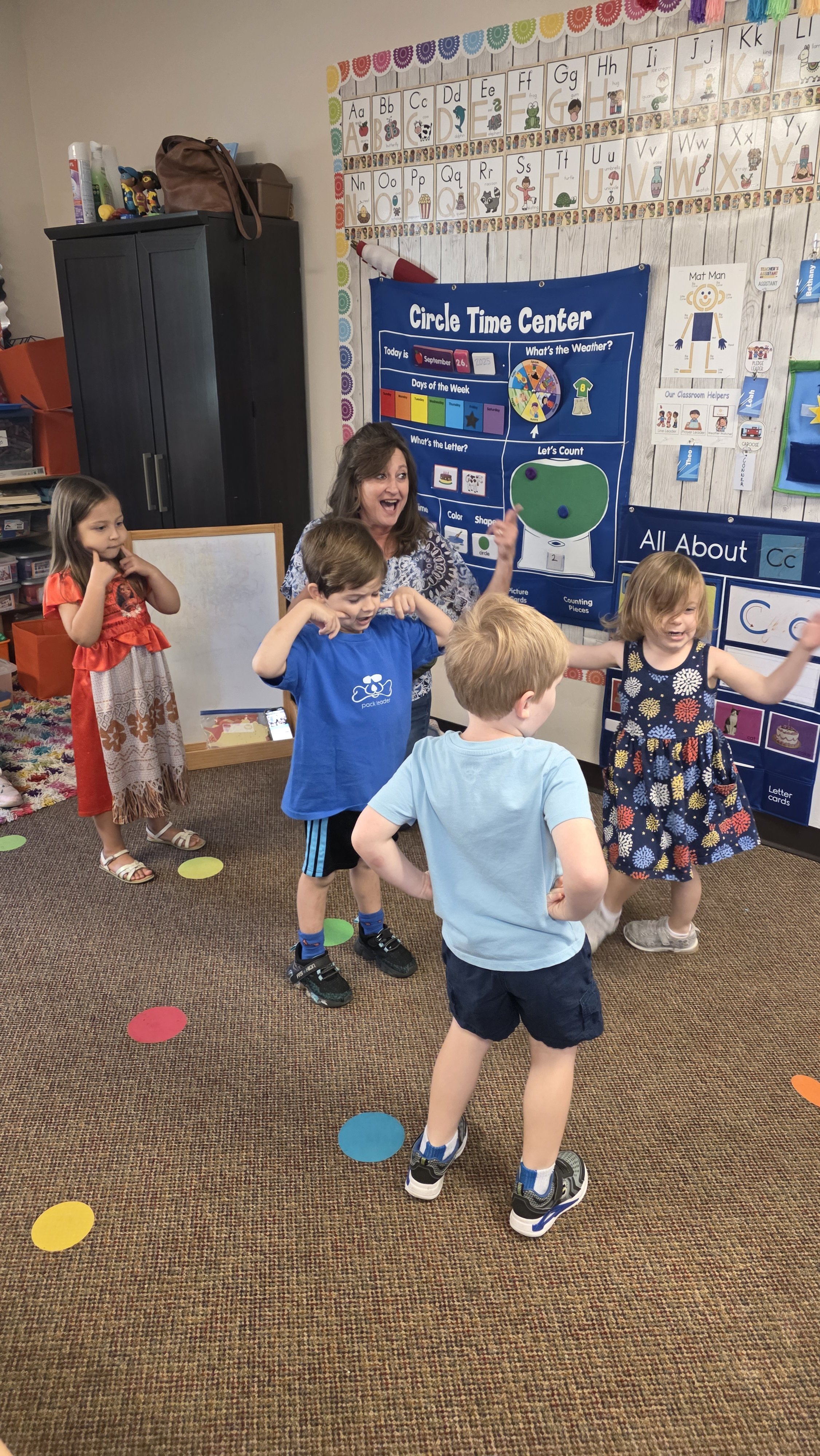
Outdoor play, movement games, climbing, running, and structured physical activities strengthen both the body and the brain.
Regular physical activity helps children:
Improve coordination and balance
Build strength and endurance
Develop healthy habits
Increase focus and attention
Reduce stress and anxiety
Learn teamwork through active play
Active children are often more confident, engaged, and ready to learn.
Social Skills Begin Early
Some of life's most important lessons happen while children play together.
Every interaction provides opportunities to practice:
Sharing
Taking turns
Listening
Cooperation
Respect
Kindness
Conflict resolution
Empathy
These social skills help children build positive relationships and prepare them for success throughout their educational journey.
Emotional Growth Matters
Children experience big emotions every day.
A nurturing learning environment helps them understand and express those feelings in healthy ways.
By learning emotional awareness and self-regulation, children become better equipped to:
Handle frustration
Solve problems peacefully
Build confidence
Adapt to change
Develop resilience
Emotional intelligence is just as valuable as academic knowledge.
Academic Learning Naturally Follows
When children feel safe, supported, and engaged, academic learning becomes more meaningful.
Holistic education creates an environment where children are excited to learn because they are curious, confident, and emotionally prepared.
Rather than focusing solely on memorization, children develop critical thinking, creativity, communication, and collaboration—skills that support lifelong learning.
Partnering with Families
Holistic development doesn't stop when children leave the classroom.
Families play an essential role in reinforcing positive habits, encouraging curiosity, and celebrating every milestone.
When educators and parents work together, children benefit from consistent guidance and support that strengthens their overall development.
Preparing Children for Life
Success isn't measured only by test scores.
It is reflected in a child's ability to:
Think creatively
Build meaningful relationships
Solve problems
Communicate effectively
Show kindness and empathy
Adapt to new challenges
Develop confidence in their abilities
These are the qualities that help children thrive throughout life.
Every Child Deserves the Opportunity to Flourish
Every child learns differently, grows at their own pace, and brings unique strengths to the classroom.
By embracing a holistic approach to early childhood education, we help children discover those strengths while building the confidence, curiosity, and character that will guide them throughout their lives.
Because education is about more than preparing children for the next grade—it's about preparing them for a bright and successful future.