

Outdoor Play and Emotional Growth: Helping Kids Build Resilience Naturally
Children learn more than academics during their early years—they also develop emotional strength, confidence, and resilience through everyday experiences. One of the most powerful ways children build these life skills is through outdoor play. From exploring nature to climbing playground equipment and participating in group games, outdoor activities encourage children to face challenges, solve problems, and develop emotional balance in a healthy, natural environment.
As more families recognize the importance of whole-child development, outdoor play has become an essential part of helping children grow socially, emotionally, and physically. Encouraging children to spend time outdoors can positively impact their confidence, independence, and ability to handle everyday stress.
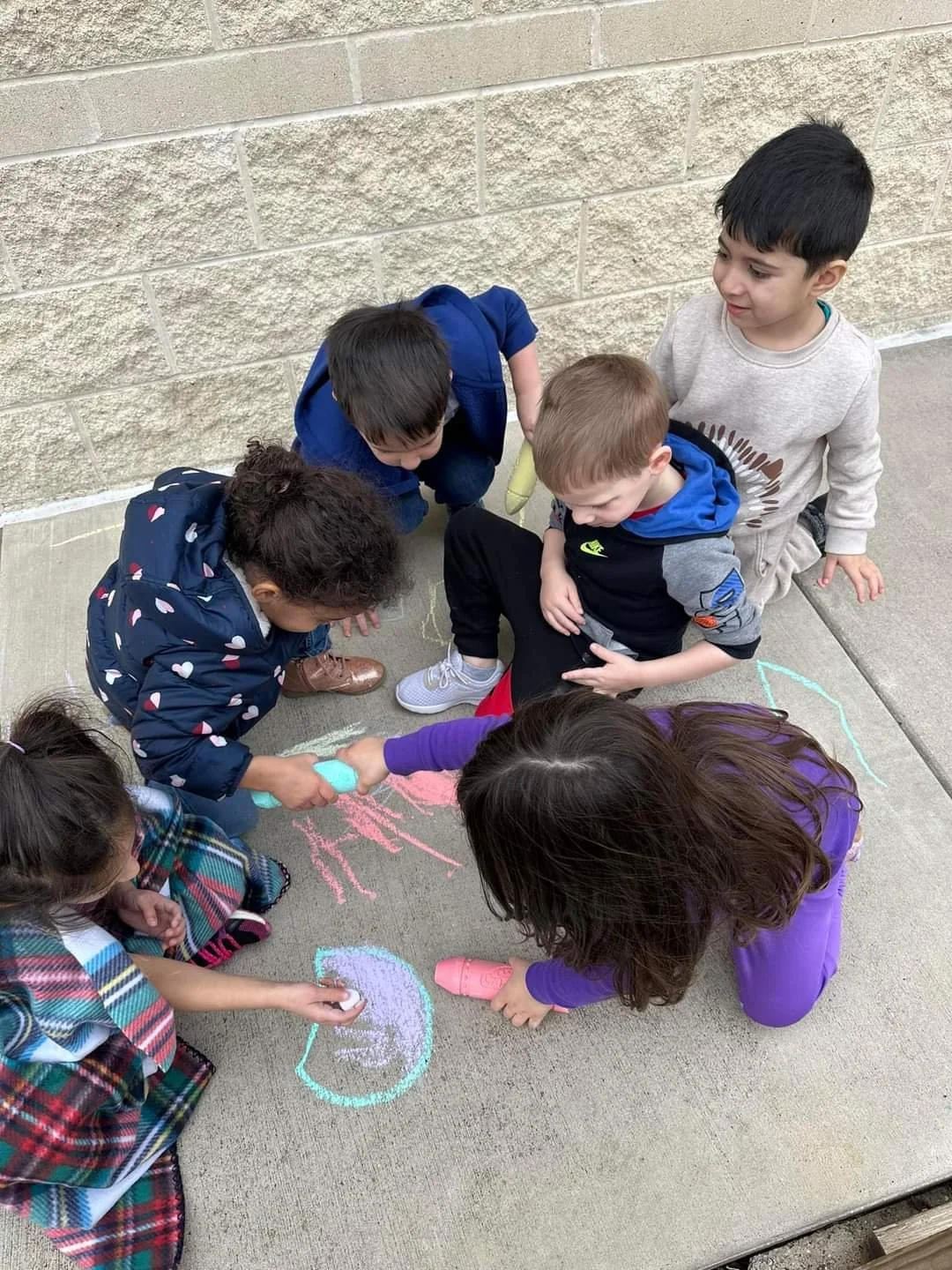
Why Outdoor Play Matters for Emotional Development
Outdoor play gives children opportunities to explore the world freely while developing important emotional skills. Unlike highly structured indoor environments, outdoor spaces allow children to make choices, take manageable risks, and learn through real-life experiences.
Whether they are climbing, running, building, or imagining, children naturally practice emotional regulation and adaptability during outdoor activities. They learn how to manage frustration when something is difficult, how to cooperate with others during games, and how to recover from small setbacks.
These experiences help children become more resilient over time.
Building Confidence Through Exploration
Outdoor environments encourage children to step outside their comfort zones in healthy and age-appropriate ways. Climbing a structure for the first time, balancing on a log, or trying a new game helps children develop self-confidence and independence.
Each small accomplishment teaches children:
“I can try new things.”
“I can solve problems.”
“I can keep going even when something feels hard.”
This growing confidence carries into other areas of life, including classroom learning, friendships, and daily routines.
How Outdoor Play Reduces Stress and Anxiety
Spending time outdoors has been linked to lower stress levels and improved emotional well-being in children. Natural environments provide calming sensory experiences that help children relax and recharge.
Outdoor play supports emotional health by:
Encouraging movement and physical activity
Reducing overstimulation from screens
Improving mood and focus
Providing opportunities for creative expression
Supporting healthy sleep patterns
Fresh air, sunlight, and open spaces can help children feel calmer, happier, and more emotionally balanced throughout the day.
Encouraging Social Skills and Teamwork
Outdoor play often involves group activities where children learn valuable social and emotional skills. Whether they are playing tag, building forts, or working together on games, children practice:
Communication
Cooperation
Patience
Empathy
Conflict resolution
These experiences help children understand emotions—both their own and others’—while learning how to navigate friendships and social situations positively.
Learning Resilience Through Healthy Challenges
Resilience develops when children experience challenges and learn how to work through them. Outdoor play naturally provides opportunities for children to practice perseverance in a safe and supportive environment.
For example:
A child may fall while learning to ride a bike but try again.
A game may not go as planned, requiring teamwork and flexibility.
A child may initially feel nervous trying something new outdoors.
These moments teach children that setbacks are temporary and that growth happens through effort and persistence.
The Role of Nature in Emotional Wellness
Nature itself can have a calming and restorative effect on children. Time spent outdoors encourages mindfulness, curiosity, and emotional connection with the world around them.
Simple activities like:
Gardening
Nature walks
Collecting leaves or rocks
Outdoor storytelling
Exploring parks and playgrounds
can help children feel more grounded, engaged, and emotionally secure.
Nature-based experiences also encourage imagination and creativity, which are important for emotional expression and cognitive development.
Supporting Outdoor Play at Home and School
Parents and educators can support emotional growth through outdoor play by creating regular opportunities for children to spend time outside. Outdoor activities do not need to be complicated or expensive to make a positive impact.
Helpful ideas include:
Scheduling daily outdoor playtime
Visiting local parks and playgrounds
Encouraging free play instead of overly structured activities
Limiting screen time when possible
Participating in outdoor family activities together
The goal is to provide children with opportunities to move, explore, imagine, and connect with others in natural environments.
Final Thoughts
Outdoor play is much more than recreation—it is an important part of emotional development and resilience-building in childhood. Through exploration, movement, problem-solving, and social interaction, children develop the confidence and coping skills they need to thrive both inside and outside the classroom.
By encouraging regular outdoor experiences, parents and educators can help children grow into emotionally strong, healthy, and resilient individuals who are prepared to face life’s challenges with confidence and curiosity.