

Learning Beyond the Classroom: How Outdoor Play Builds Stronger Minds and Bodies
Children learn in many ways, and some of the most powerful lessons happen outside the classroom walls. Outdoor play gives children the freedom to explore, move, imagine, and discover the world around them. It supports physical health, strengthens mental development, and encourages social skills that last a lifetime.
Learning beyond the classroom is not just a trend. It is a proven way to help children build stronger minds and healthier bodies while developing confidence, curiosity, and independence.
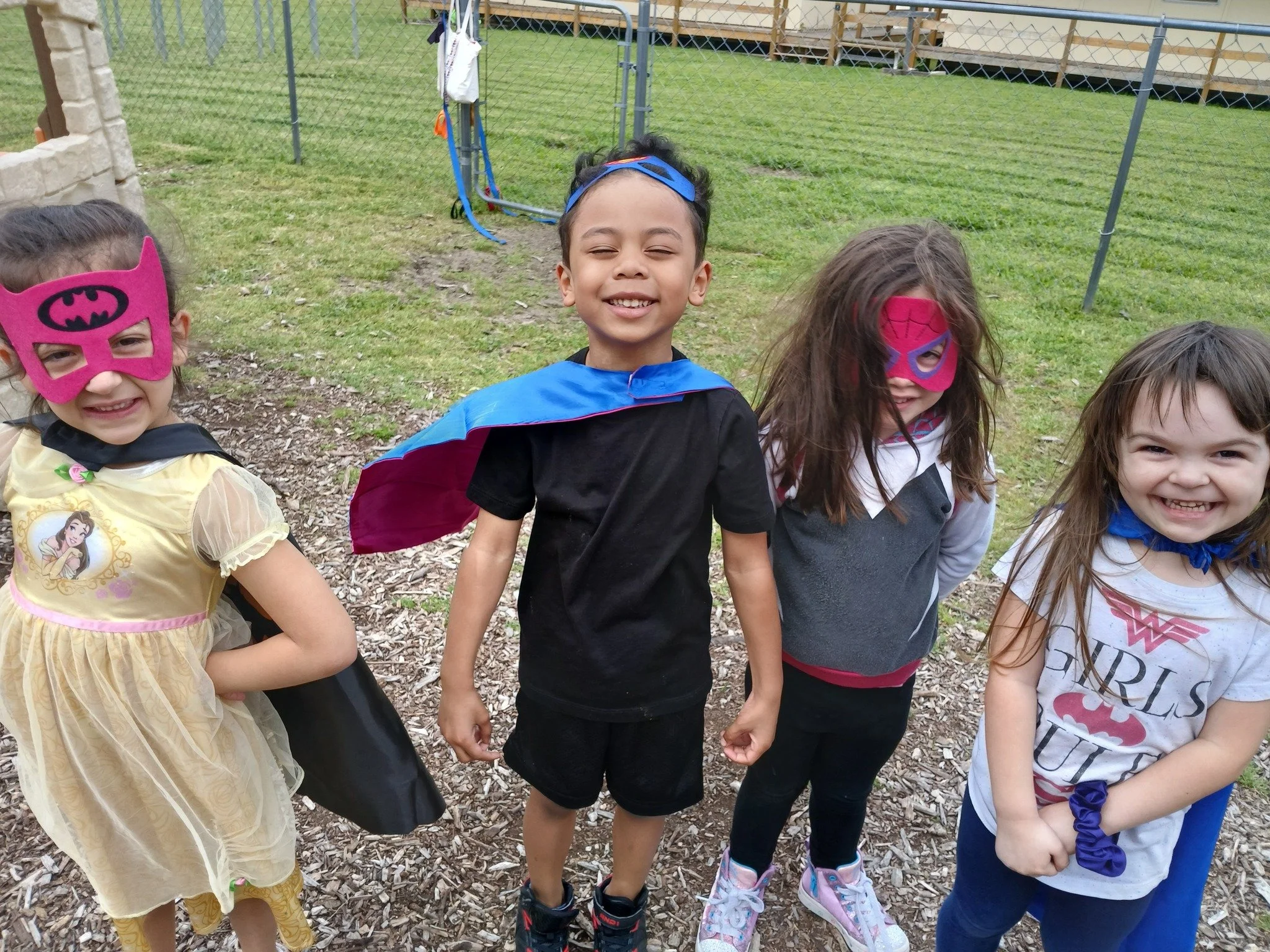
The Science Behind Outdoor Play and Brain Development
Outdoor environments naturally stimulate a child’s brain. When children interact with nature, they use their senses to observe, experiment, and solve problems. Whether they are climbing, digging, running, or exploring, they are strengthening neural connections that support learning and memory.
Research shows that children who spend more time outdoors often demonstrate:
Improved attention and focus
Better problem-solving skills
Enhanced creativity and imagination
Stronger emotional regulation
Increased curiosity and engagement
Outdoor play encourages active learning. Instead of simply receiving information, children experience it firsthand.
Building Stronger Bodies Through Movement
Physical activity is essential for healthy growth, and outdoor play naturally promotes movement. Running, jumping, balancing, and climbing help children develop coordination, strength, and endurance. These activities also support healthy bone and muscle development.
Regular outdoor play can help children:
Build gross motor skills
Improve balance and coordination
Strengthen muscles and bones
Maintain a healthy weight
Develop lifelong healthy habits
Fresh air and sunshine also contribute to better sleep, improved mood, and stronger immune systems, all of which support overall well-being.
Developing Social Skills and Confidence
Outdoor play often involves teamwork, communication, and cooperation. Whether children are playing games, building structures, or exploring together, they learn how to share, negotiate, and solve conflicts. These social interactions help build confidence and emotional intelligence.
Children who engage in outdoor activities frequently develop:
Stronger communication skills
Greater independence
Increased self-confidence
Better teamwork abilities
Improved resilience
When children overcome small challenges outdoors, such as climbing a new structure or navigating uneven terrain, they gain a sense of accomplishment that strengthens self-esteem.
Encouraging Creativity and Imagination
Nature provides endless opportunities for imaginative play. A stick can become a magic wand, a fort, or a tool for discovery. A patch of grass can turn into a stage for storytelling or a playground for adventure.
Outdoor environments do not limit creativity. Instead, they invite children to invent, experiment, and explore. This type of open-ended play supports cognitive development and helps children think creatively in new situations.
Creative outdoor play helps children:
Develop problem-solving skills
Strengthen imagination
Practice decision-making
Explore new ideas
Build confidence in their abilities
Supporting Emotional Well-Being
Time spent outdoors has a calming effect on children. Natural settings reduce stress, improve mood, and help children regulate emotions. Outdoor play provides an outlet for energy and encourages positive behavior.
Children who regularly spend time outdoors often experience:
Reduced anxiety and stress
Improved mood and happiness
Better emotional control
Increased sense of calm
Greater overall well-being
These emotional benefits can lead to improved behavior and stronger relationships at home and in school.
Preparing Children for Academic Success
Outdoor play supports academic readiness in ways that traditional classroom settings alone cannot. Activities like counting objects, measuring distances, observing patterns, and exploring nature introduce foundational math and science concepts in a hands-on way.
Outdoor learning helps children:
Strengthen language and communication skills
Develop critical thinking abilities
Improve focus and attention
Build early math and science understanding
Foster a love of learning
Children who enjoy learning are more likely to stay engaged in school and perform well academically.
Creating a Balanced Learning Environment
A balanced education includes both structured classroom learning and unstructured outdoor exploration. When children have opportunities to move, explore, and play outside, they return to the classroom more focused and ready to learn.
Parents and educators can support outdoor learning by:
Encouraging daily outdoor play
Providing safe spaces for exploration
Allowing time for unstructured activities
Incorporating nature-based learning experiences
Modeling curiosity and exploration
Even small amounts of outdoor time can make a meaningful difference in a child’s development.
Final Thoughts: Growth Happens Beyond the Classroom
Learning does not stop when children step outside. In fact, some of the most valuable growth happens outdoors. Through movement, exploration, and discovery, children build stronger bodies, sharper minds, and greater confidence.
Outdoor play helps children develop the skills they need to succeed in school and in life. By creating opportunities for learning beyond the classroom, parents and educators can support healthy development and inspire a lifelong love of learning.