

The Benefits of Cooperative Learning Environments for Elementary Students
Elementary school is a critical time for building academic skills, confidence, and positive relationships. While traditional classroom learning remains essential, many families are discovering the value of cooperative learning environments that encourage collaboration, communication, and shared responsibility. These settings allow children to learn not only from teachers but also from one another, creating a supportive and engaging educational experience.
For families seeking structured support for homeschooling or flexible learning options, cooperative learning environments offer a balanced approach. With guidance from experienced educators and opportunities for peer interaction, students can thrive academically while developing important social and emotional skills.
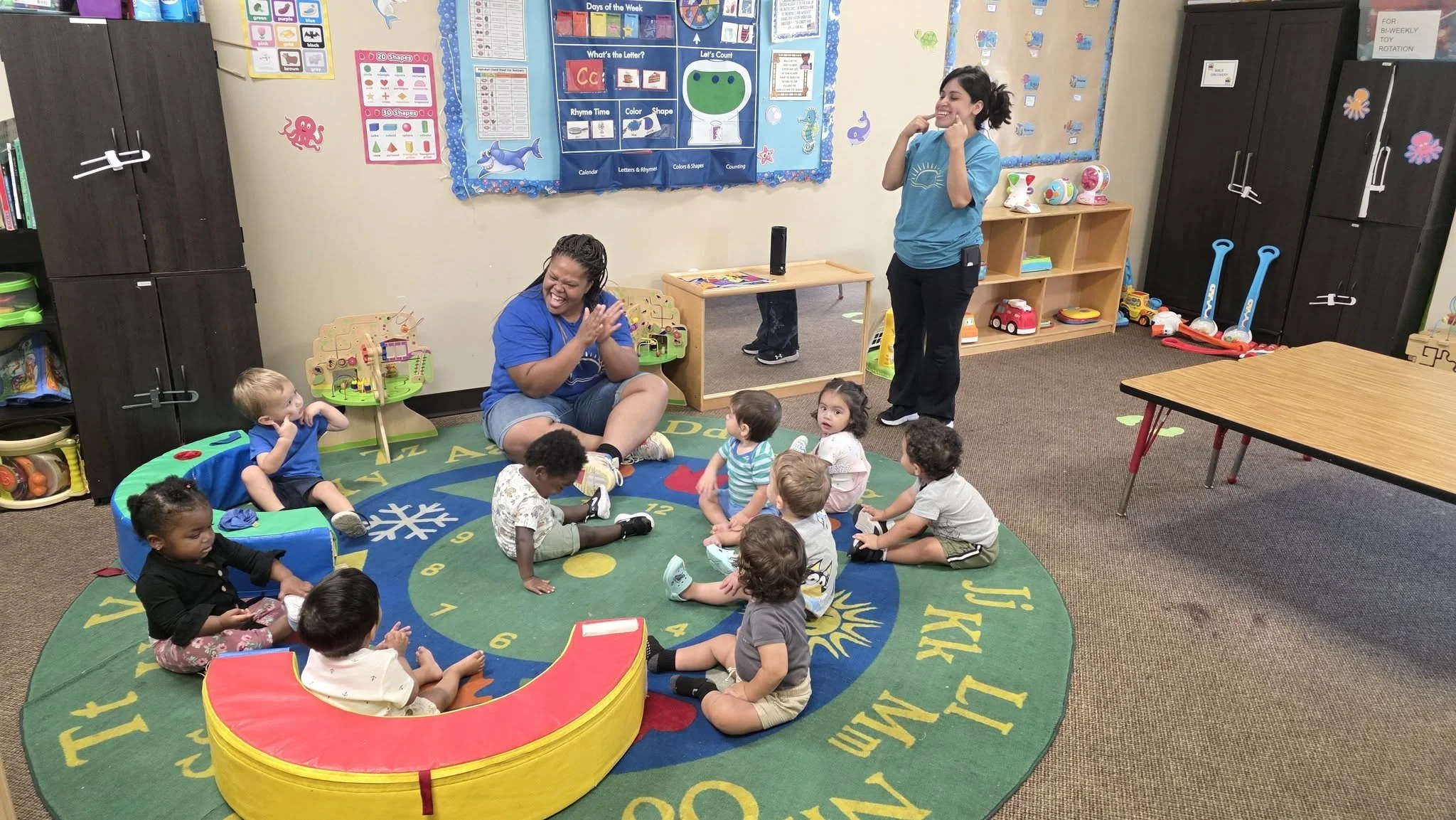
What Is a Cooperative Learning Environment?
A cooperative learning environment is an educational setting where students work together in small groups to complete tasks, solve problems, and achieve shared goals. Instead of focusing solely on individual performance, cooperative learning encourages teamwork and active participation.
In elementary programs, cooperative learning may include:
Group projects and hands-on activities
Peer discussions and collaborative problem-solving
Shared learning responsibilities
Guided instruction from experienced educators
Structured routines that promote accountability
These environments are designed to create a sense of community while helping students build essential academic and life skills.
Academic Benefits of Cooperative Learning for Elementary Students
Cooperative learning environments support strong academic development by encouraging students to engage more deeply with lessons. When children work together, they often gain a better understanding of concepts and feel more confident asking questions.
Improved Understanding of Lessons
Students who collaborate with peers can explain ideas to one another, reinforcing their own learning and helping classmates succeed.
Stronger Problem-Solving Skills
Working in groups encourages students to think critically and explore multiple solutions to challenges.
Increased Engagement
Interactive learning activities keep students motivated and interested in their education.
Better Retention of Information
Children are more likely to remember concepts when they actively participate in discussions and hands-on experiences.
These academic benefits help students build a strong foundation for long-term educational success.
Social and Emotional Growth Through Collaboration
Elementary students are still developing important social and emotional skills. Cooperative learning environments provide a safe space for children to practice communication, empathy, and teamwork.
Key social and emotional benefits include:
Learning how to share ideas respectfully
Building confidence in group settings
Developing leadership and teamwork skills
Practicing conflict resolution
Strengthening friendships and peer connections
These skills are essential not only for school success but also for future relationships and career readiness.
Supporting Different Learning Styles
Every child learns differently. Some students thrive through visual activities, while others prefer hands-on experiences or verbal discussions. Cooperative learning environments naturally accommodate a variety of learning styles by offering diverse ways to engage with lessons.
For example:
Visual learners benefit from group demonstrations
Auditory learners gain understanding through discussions
Kinesthetic learners enjoy interactive, hands-on activities
By addressing different learning preferences, cooperative learning helps ensure that every student has the opportunity to succeed.
Encouraging Independence and Responsibility
Although cooperative learning focuses on teamwork, it also promotes independence. Students learn to take responsibility for their role within a group while contributing to shared goals.
Children in cooperative learning environments often develop:
Time management skills
Accountability for their work
Confidence in decision-making
A sense of ownership in their learning
These habits support academic growth and prepare students for more advanced levels of education.
How Cooperative Learning Supports Homeschool and Hybrid Education
Many families choose homeschooling or hybrid education models to provide flexibility and personalized instruction. Cooperative learning environments can enhance these programs by offering structured support and opportunities for social interaction.
In a school-based program, cooperative learning can provide:
Professional instruction from experienced educators
Consistent academic structure
Opportunities for peer collaboration
Support for working parents balancing education and career responsibilities
A community-focused learning environment
This combination of structure and flexibility helps families create a well-rounded educational experience for their children.
The Role of Experienced Educators in Cooperative Learning
Teachers play a vital role in guiding cooperative learning activities. Experienced educators ensure that group work remains productive, inclusive, and aligned with academic goals.
They help students:
Stay focused on learning objectives
Develop respectful communication skills
Understand expectations and responsibilities
Receive individualized support when needed
Strong leadership from educators creates a positive learning environment where students feel encouraged to participate and succeed.
Preparing Students for Lifelong Success
Cooperative learning environments do more than improve academic performance. They help children develop skills that will benefit them throughout their lives.
These skills include:
Collaboration and teamwork
Communication and listening
Critical thinking and problem-solving
Adaptability and resilience
Confidence in social settings
By building these abilities early, students are better prepared for future academic challenges and real-world experiences.
Choosing the Right Cooperative Learning Environment for Your Child
When selecting a cooperative learning program, families should look for an environment that combines structure, flexibility, and experienced instruction.
Consider these factors:
Qualified and supportive educators
A structured curriculum aligned with educational standards
Opportunities for collaboration and social interaction
Safe and welcoming learning spaces
Clear communication between teachers and families
Programs that prioritize these elements can provide meaningful support for both students and parents.
A Strong Foundation for Growing Learners
Cooperative learning environments offer a powerful way to support elementary students as they grow academically and socially. By encouraging collaboration, communication, and shared responsibility, these programs create a positive and engaging learning experience.
For families seeking flexible education options, cooperative learning provides the structure and support needed to help children succeed. With the guidance of experienced educators and opportunities to learn alongside peers, students can build confidence, develop strong skills, and prepare for a bright future.