

Every parent wants their child to walk into kindergarten feeling confident, excited, and ready to learn. But how do you know if your little one is truly prepared for this exciting milestone?
Starting kindergarten is a major step in your child's educational journey. While recognizing letters, counting numbers, and identifying shapes are important, kindergarten readiness goes far beyond academic knowledge.
Children also benefit from developing social skills, emotional awareness, communication abilities, independence, and problem-solving skills.
At Abagtha Academy in Denton, TX, we understand that every child grows and learns at their own pace. Through meaningful learning experiences, social development, life skills, Music in Motion, and gardening, we help young learners build a strong foundation for their next educational adventure.
Here are seven important kindergarten readiness skills every parent should know.
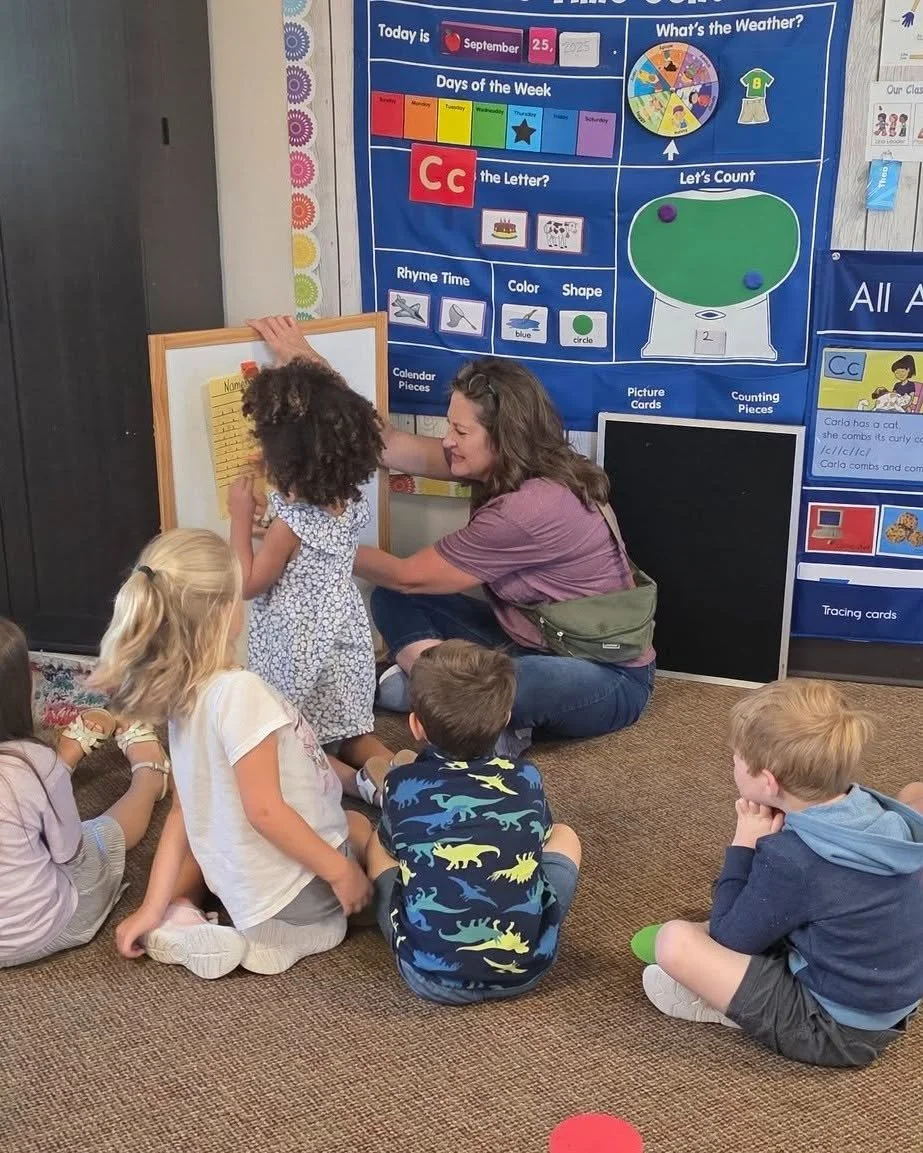
1. Basic Academic Skills: Building a Strong Learning Foundation
One of the first things parents think about when preparing for kindergarten is academic readiness.
Does your child recognize letters? Can they count? Do they know basic colors and shapes?
While children aren't expected to master every academic concept before kindergarten, familiarity with foundational learning skills can help them feel more comfortable in the classroom.
Important early academic skills include:
Recognizing some letters, especially those in their name
Understanding basic numbers and counting
Identifying common colors and shapes
Recognizing simple patterns
Showing interest in books and storytelling
Beginning to understand relationships between letters and sounds
Parent Tip: Make learning enjoyable! Read books together, count everyday objects, identify colors during playtime, and encourage your child to ask questions.
At Abagtha Academy, we believe early education should inspire curiosity and help children discover the joy of learning.
2. Social Skills: Learning to Share, Cooperate, and Make Friends
Kindergarten introduces children to a classroom filled with new faces, friendships, and group activities.
Strong social skills help children build positive relationships, participate in classroom experiences, and navigate everyday interactions.
Key social skills include:
Taking turns and sharing materials
Playing cooperatively with other children
Listening when others are speaking
Respecting personal space
Using kind words and appropriate manners
Asking for help when needed
Children develop these abilities through practice, encouragement, and meaningful interactions.
At Abagtha Academy, social skills are an important part of early childhood learning. Opportunities for group participation and collaborative activities help children practice communication, cooperation, and respect.
Parent Tip: Arrange playdates, encourage group games, and model positive communication at home.
Remember, kindergarten readiness isn't about having perfect social skills. It's about learning how to interact with others and continuing to grow.
3. Emotional Readiness: Understanding and Managing Feelings
Starting kindergarten can bring excitement, curiosity, nervousness, and sometimes frustration.
That's completely normal!
Emotional readiness means helping children recognize their feelings and develop healthy ways to express them.
Important emotional skills include:
Identifying basic emotions such as happiness, sadness, anger, and excitement
Expressing feelings using words
Practicing patience
Learning to handle small disappointments
Seeking support from trusted adults
Adjusting gradually to new routines and environments
A child who is learning to communicate emotions may find it easier to participate in classroom activities and develop relationships.
Parent Tip: Talk openly about feelings. Ask questions such as, "How did that make you feel?" or "What could we try next time?"
Building emotional confidence takes time, patience, and consistent encouragement.
4. Independence and Life Skills: Helping Children Do Things on Their Own
One of the biggest transitions into kindergarten is learning to complete everyday tasks with greater independence.
Children begin taking responsibility for personal belongings, classroom routines, and basic self-care activities.
Helpful independence skills include:
Washing hands independently
Using the restroom and managing clothing with age-appropriate independence
Opening lunch containers with minimal assistance
Putting away toys and classroom materials
Managing backpacks and personal belongings
Following simple daily routines
Asking an adult for help when necessary
These everyday abilities can help children feel more capable and comfortable in a classroom environment.
At Abagtha Academy, life skills are an important part of preparing children for school and beyond.
Through age-appropriate responsibilities and hands-on learning, children have opportunities to practice independence and develop confidence.
Parent Tip: Give your child simple responsibilities at home, such as putting away toys, organizing shoes, or helping prepare their backpack.
Celebrate their effort, even when tasks take a little longer.
5. Communication and Listening Skills: Preparing for Classroom Success
Communication is essential for learning, building friendships, and participating in classroom activities.
Kindergarten students benefit from being able to communicate basic needs, listen to instructions, and engage in conversations.
Important communication skills include:
Speaking in understandable sentences
Expressing needs and preferences
Listening to stories and conversations
Following simple two-step directions
Answering basic questions
Participating in age-appropriate discussions
Asking questions when something is unclear
Listening skills are especially important as children become familiar with group instructions and classroom expectations.
Parent Tip: Read aloud every day, ask your child about their favorite activities, and encourage them to explain their ideas.
Music and movement can also make practicing listening and following directions fun.
At Abagtha Academy, activities such as Music in Motion offer engaging opportunities for children to explore rhythm, movement, listening, and self-expression.
6. Fine Motor Skills: Getting Little Hands Ready for Big Learning
Kindergarten introduces more activities involving drawing, writing, cutting, coloring, and handling classroom materials.
Fine motor skills help children coordinate the small muscles in their hands and fingers.
Helpful fine motor activities include:
Holding crayons and pencils
Drawing basic shapes and lines
Using child-safe scissors with supervision
Building with blocks
Playing with modeling dough
Turning book pages
Handling small objects during supervised activities
Children develop hand strength and coordination through repeated opportunities to explore and create.
Parent Tip: Encourage coloring, drawing, puzzles, building blocks, and hands-on crafts.
Gardening can also provide opportunities for developing coordination while exploring nature.
At Abagtha Academy, gardening activities introduce children to hands-on discovery, responsibility, and the natural world.
Whether exploring seeds, observing plants, or helping care for a garden, children can practice patience, curiosity, and coordination.
7. Curiosity and Problem-Solving: Developing a Love for Learning
One of the most valuable skills a child can bring into kindergarten is curiosity.
Children who feel comfortable exploring, asking questions, and trying new things are building habits that support lifelong learning.
Important problem-solving skills include:
Asking questions about the world
Exploring different ways to complete a task
Trying again after making a mistake
Recognizing simple patterns
Making age-appropriate choices
Using imagination during play
Showing interest in discovering how things work
Problem-solving doesn't always involve worksheets or structured lessons.
Sometimes, it happens while building a tower, caring for a plant, completing a puzzle, or figuring out how to share a toy.
Parent Tip: Instead of immediately solving every challenge, ask your child, "What do you think we should try?"
Giving children opportunities to think independently encourages persistence and creativity.
At Abagtha Academy, we value learning experiences that support curiosity, exploration, and meaningful discovery.