

Preparing for Kindergarten: Activities That Build Confidence and Independence
Starting kindergarten is an exciting milestone for both children and parents. While learning letters, numbers, colors, and shapes is important, kindergarten readiness involves much more than academics.
Children also benefit from developing confidence, independence, communication skills, and the ability to follow everyday routines. These skills can help them feel more comfortable and prepared as they transition into elementary school.
At Abagtha Academy, we believe preschool should be more than daycare. Through active learning, play, and age-appropriate activities, children have opportunities to develop skills they can carry with them into kindergarten and beyond.
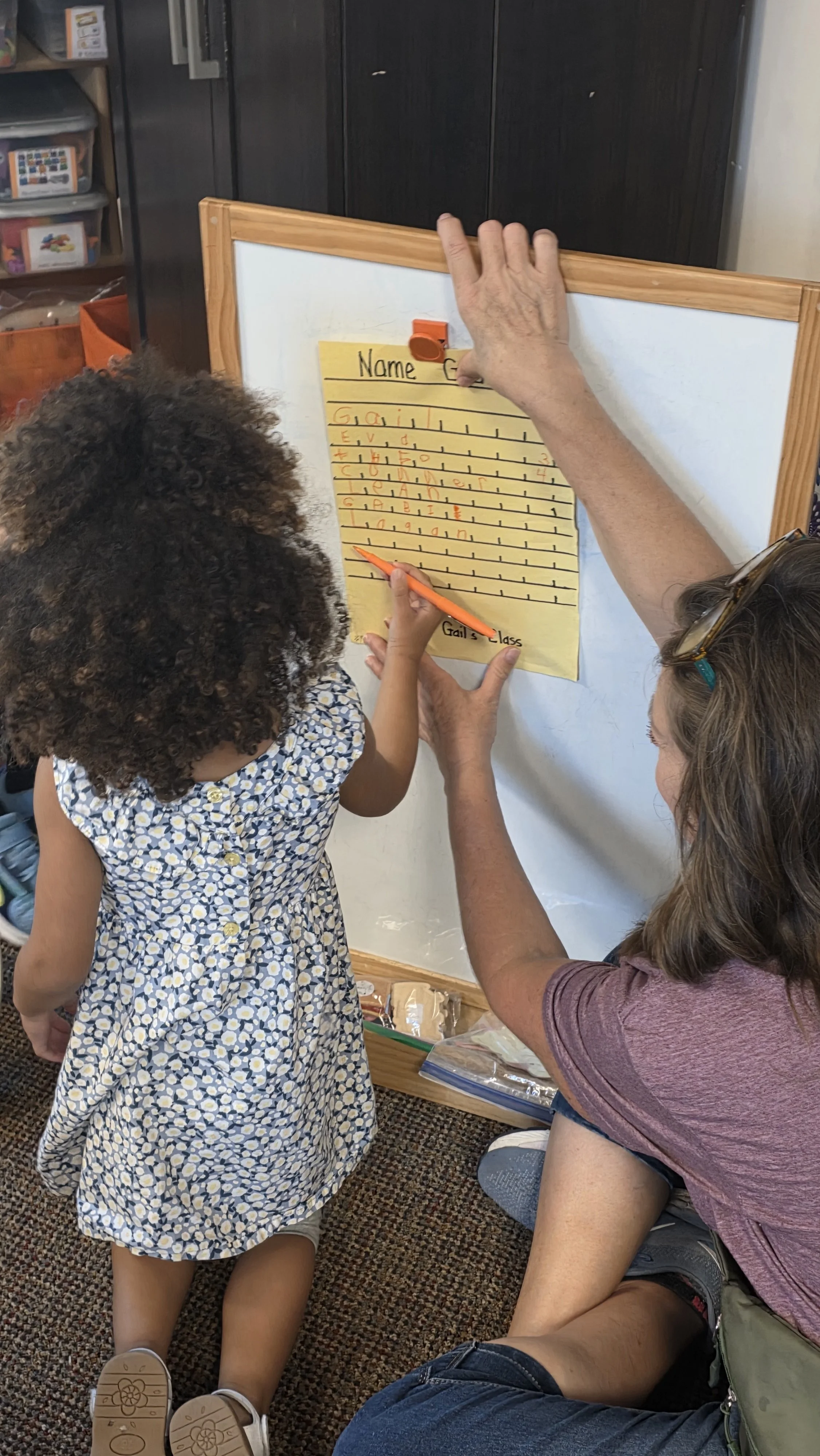
Why Kindergarten Readiness Matters
Kindergarten introduces children to new routines, responsibilities, teachers, classmates, and learning experiences. Preparing for these changes during the preschool years can make the transition feel more familiar.
A strong preschool education encourages children to practice making choices, solving simple problems, communicating their needs, completing age-appropriate tasks, and interacting positively with others.
The goal isn't perfection. It's helping children become increasingly comfortable trying things on their own.
1. Practice Everyday Responsibilities
Simple responsibilities can be powerful learning opportunities.
Activities such as putting away toys, organizing supplies, carrying a backpack, cleaning up after an activity, or putting personal belongings in the correct place encourage independence.
These everyday routines teach children that they are capable of completing tasks and contributing to their environment.
Parents can reinforce these skills at home by giving children small, age-appropriate responsibilities.
2. Encourage Independent Choices
Giving children opportunities to make simple choices can help build confidence.
For example, ask them to choose between two activities, select a book for story time, decide which color to use for an art project, or pick between two appropriate outfits.
Making choices allows children to express their preferences while learning how to make decisions independently.
3. Learn Through Arts and Crafts
Drawing, coloring, painting, cutting, gluing, and crafting aren't just fun—they can also support important developmental skills.
Creative activities can help children practice fine motor skills, hand-eye coordination, concentration, creativity, and following directions.
These abilities can be useful when children begin completing classroom activities such as writing, drawing, and working with school supplies.
4. Build Communication Through Storytelling
Reading together is one of the simplest ways to support early learning.
After reading a story, ask your child questions such as:
“What was your favorite part?”
“What do you think happens next?”
“How do you think the character felt?”
These conversations encourage children to express ideas, listen, remember details, and develop language skills.
Children can also create their own stories using pictures, toys, or their imagination.
5. Practice Social Skills Through Play
Playing with other children provides opportunities to practice sharing, taking turns, communicating, cooperating, and solving small disagreements.
Group games and activities can help children understand that everyone may have different ideas and feelings.
Developing these social-emotional skills before kindergarten can help children navigate a classroom environment where they will regularly learn and play alongside others.
6. Make Learning Active and Fun
Young children don't have to sit at a desk to learn.
Counting toys, identifying colors during a walk, singing alphabet songs, sorting objects, completing puzzles, building with blocks, or participating in movement games can turn everyday experiences into learning opportunities.
Active learning encourages curiosity while allowing children to practice academic and developmental skills in an engaging way.
7. Encourage Problem-Solving
When children encounter a small challenge, it can be tempting for adults to immediately step in.
Instead, give them an opportunity to think through the problem.
Whether they're completing a puzzle, building something, opening a container, or figuring out how to organize materials, gentle encouragement can help them develop patience and persistence.
Learning that it's okay to try again is an important part of building confidence.
Preparing Children for More Than the Classroom
Kindergarten readiness isn't only about knowing letters and numbers. It's also about helping children develop the confidence to participate, communicate, explore, and become increasingly independent.
At Abagtha Academy, children are involved in learning, fun, and active experiences designed to support their development. As a private preschool, our focus is on providing quality care while helping children build the educational and life skills they need as they prepare for their next step—whether that's public school, private school, or homeschooling.
Help Your Child Take the Next Step With Confidence
Every activity, conversation, and new responsibility can help prepare your child for what's ahead.
By combining learning with play, creativity, social interaction, and everyday life skills, parents and educators can help children approach kindergarten with greater confidence and independence.
Want to learn more about Abagtha Academy and our preschool activities?
Explore our programs and discover how we make learning active, engaging, and fun while helping children prepare for elementary school.