

More Than a Classroom: Building a Nurturing Environment for Every Child
Choosing the right school for your child is about much more than academics. Parents want a place where their children can learn, grow, build friendships, develop confidence, and feel genuinely supported every day.
At Abagtha Academy, we believe a meaningful education begins with creating an environment where children feel safe, welcomed, respected, and encouraged to be themselves.
A classroom should be more than a place where lessons are taught. It should be a community where children feel comfortable asking questions, exploring new ideas, making mistakes, and discovering what they are capable of achieving.
That is why creating a safe and supportive learning environment is an important part of helping every child thrive.
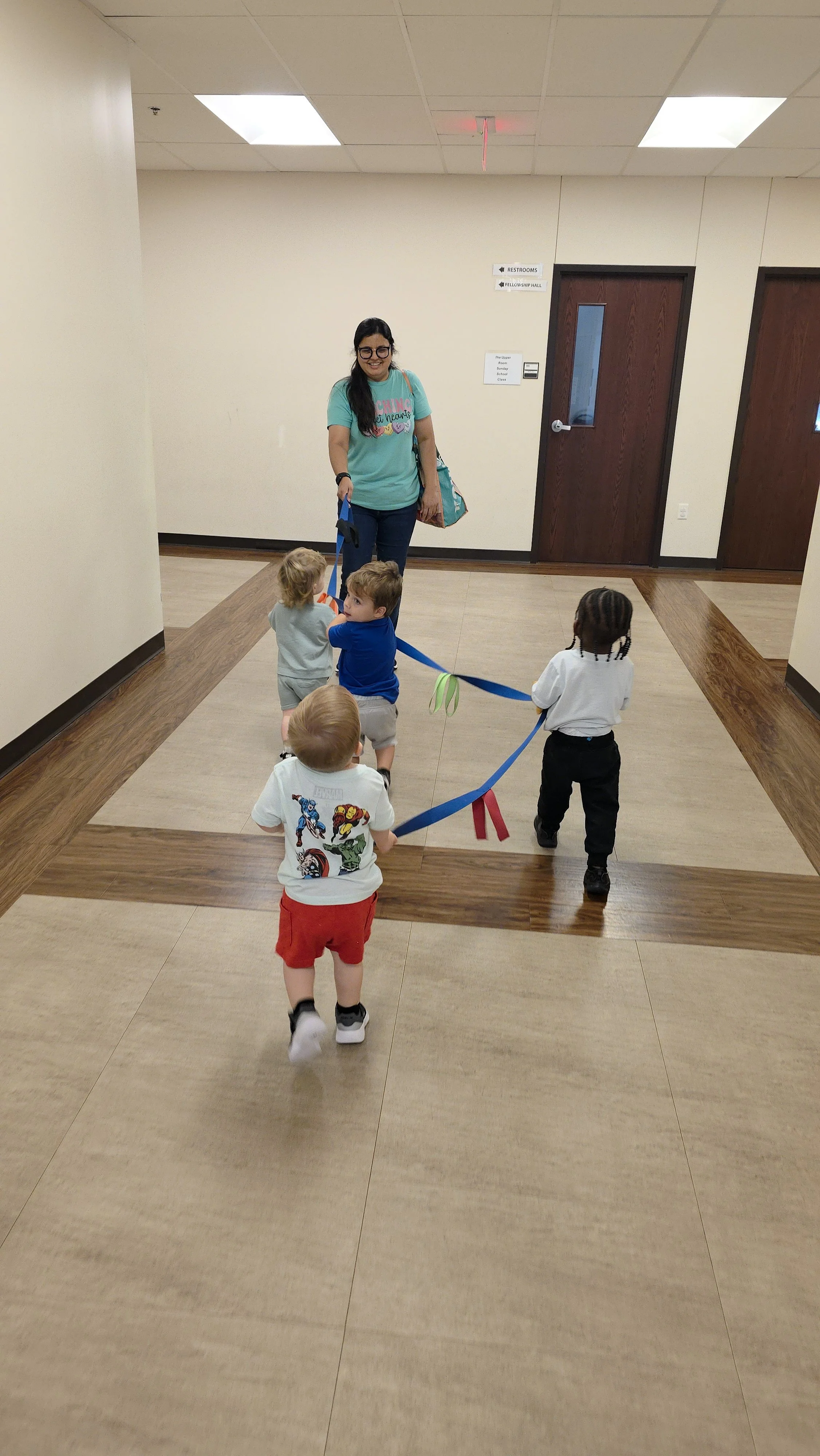
Children Learn Best When They Feel Safe
Before children can fully focus on learning, they need to feel secure in their surroundings.
A safe school environment provides children with the confidence to participate, communicate, explore, and engage with their teachers and classmates.
Physical safety is an important part of that foundation. School facilities should be thoughtfully designed with student security and well-being in mind, while staff members should understand their responsibility to maintain a safe and attentive learning environment.
But safety extends beyond the physical environment.
Children also need to feel emotionally secure. They should know that they can ask for help, express their feelings, and approach trusted adults when something is bothering them.
When children feel protected and supported, they have more freedom to focus on what childhood education should encourage: learning, curiosity, creativity, and growth.
A Nurturing Learning Environment Builds Confidence
Confidence does not develop overnight.
It grows through everyday experiences—answering a question in class, completing a challenging assignment, trying something unfamiliar, solving a problem, or receiving encouragement after making a mistake.
A nurturing learning environment gives children room to develop that confidence at their own pace.
Teachers and staff play an important role in helping students recognize their abilities. Positive encouragement can teach children that mistakes are not something to fear but opportunities to learn.
Over time, these experiences can help children become more comfortable expressing themselves, taking healthy risks, and approaching new challenges with greater confidence.
Every Child Deserves to Feel Seen and Supported
No two children learn, communicate, or develop in exactly the same way.
Some students may eagerly participate in classroom discussions, while others need additional time before feeling comfortable speaking up. Some learn best through hands-on activities, while others respond to visual instruction, reading, discussion, or repetition.
A supportive school recognizes these differences.
Rather than expecting every student to fit into exactly the same mold, educators can work to understand each child's strengths, needs, personality, and learning style.
When children feel seen as individuals, school becomes more than a place they attend.
It becomes a place where they belong.
Caring Teachers Make a Lasting Difference
Teachers do much more than deliver lessons.
They encourage curiosity, model kindness, help children navigate challenges, celebrate progress, and create the atmosphere students experience every day.
A caring teacher can make a child feel comfortable asking a question they might otherwise keep to themselves.
A few encouraging words can help a student keep trying after struggling with something new.
And a supportive relationship with an educator can help children develop greater trust and confidence in the classroom.
At Abagtha Academy, our staff is committed to providing a nurturing and supportive environment where students are encouraged to learn, participate, and grow.
Emotional Well-Being Matters in Education
Academic development is important, but a child's emotional well-being also plays an important role in their overall school experience.
Children experience many emotions throughout the day. They may feel excited about mastering a new skill, nervous about an assignment, frustrated when something feels difficult, or uncertain about navigating friendships.
A supportive learning environment gives children healthy opportunities to understand and manage these experiences.
When educators approach students with patience, consistency, and respect, children can begin developing important social and emotional skills.
These abilities can support them far beyond the classroom.
Encouraging Children to Ask Questions and Explore
Curiosity is one of the most valuable qualities a young learner can develop.
Children naturally want to understand the world around them. They ask questions, experiment with ideas, observe what happens, and learn through discovery.
A nurturing classroom encourages that curiosity rather than limiting it.
Students should feel comfortable asking, "Why?" or "What happens if I try this?"
When children know their questions are welcomed, learning becomes something they actively participate in rather than something that simply happens around them.
This sense of discovery can help develop a lifelong love of learning.
Creating a Positive School Community
Children do not learn in isolation.
Their relationships with teachers, classmates, and other members of the school community shape their everyday experiences.
A positive school environment encourages qualities such as:
Respect for others
Kindness and empathy
Cooperation and teamwork
Responsibility
Communication
Inclusion
Confidence
Problem-solving
These skills help children learn how to participate positively in their classroom community while preparing them for relationships and responsibilities outside of school.
When students feel connected to their school community, they are more likely to feel comfortable participating and contributing.
Supporting the Whole Child
Education should prepare children for more than tests and assignments.
It should help them become confident learners, thoughtful problem-solvers, effective communicators, and caring members of their communities.
Supporting the whole child means recognizing that academic, social, emotional, and personal development are connected.
A student who feels secure may be more willing to participate.
A student who feels encouraged may be more willing to attempt something difficult.
A student who feels respected may learn how to show that same respect to others.
These everyday experiences become part of a child's development.
A Safe Environment Gives Parents Peace of Mind
Sending your child to school requires trust.
Parents want to know that while their children are away from home, they are surrounded by adults who take their safety and well-being seriously.
Clear expectations, attentive staff, secure facilities, positive communication, and a nurturing school culture can all contribute to greater peace of mind for families.
Parents should feel confident asking questions about school safety, classroom practices, communication, and how teachers support students.
Building a strong relationship between families and educators creates another layer of support around every child.
Celebrating Progress, Not Just Achievement
Success looks different for every child.
For one student, success might mean mastering a new academic concept. For another, it could mean confidently raising their hand for the first time.
Sometimes the most meaningful progress happens in small moments.
Recognizing effort and improvement teaches children that learning is a journey.
Instead of believing they must always get everything right, students can learn to value persistence, practice, and growth.
That mindset can help children become more resilient learners who are willing to keep trying when something is challenging.
More Than a Classroom at Abagtha Academy
A great education is shaped not only by what children learn, but also by how they feel while they are learning.
At Abagtha Academy, your child's safety and well-being are among our top priorities. Our facilities are designed with security in mind, and our staff is committed to providing a nurturing and supportive environment where students can learn and grow.
We strive to create a school community where children feel welcomed, encouraged, respected, and inspired to discover their potential.
Because a classroom should provide more than academics.
It should be a place where children build confidence, discover their strengths, develop meaningful relationships, and feel supported as they grow.
Give Your Child a Place to Learn, Grow, and Belong
Every child deserves an educational environment where they can feel safe enough to explore, supported enough to try, and confident enough to become who they are meant to be.
At Abagtha Academy, we are committed to creating an environment that supports the whole child—academically, socially, and emotionally.
Discover how Abagtha Academy provides more than a classroom. Give your child a nurturing place to learn, grow, build confidence, and thrive.