
Small Classes or Social Classrooms? What’s Best for Your Child?
Choosing the right school for your child involves more than comparing academics, extracurricular activities, and location. One important factor parents should consider is the classroom environment.
Some children thrive in busy, highly social classrooms filled with opportunities to collaborate and make new friends. Others feel more comfortable in smaller classes where teachers can provide more individualized attention and students have more space to learn at their own pace.
So, which environment is best?
The answer depends largely on your child’s personality, learning style, confidence level, and individual needs.
Every Child Learns Differently
There is no single classroom environment that works perfectly for every student.
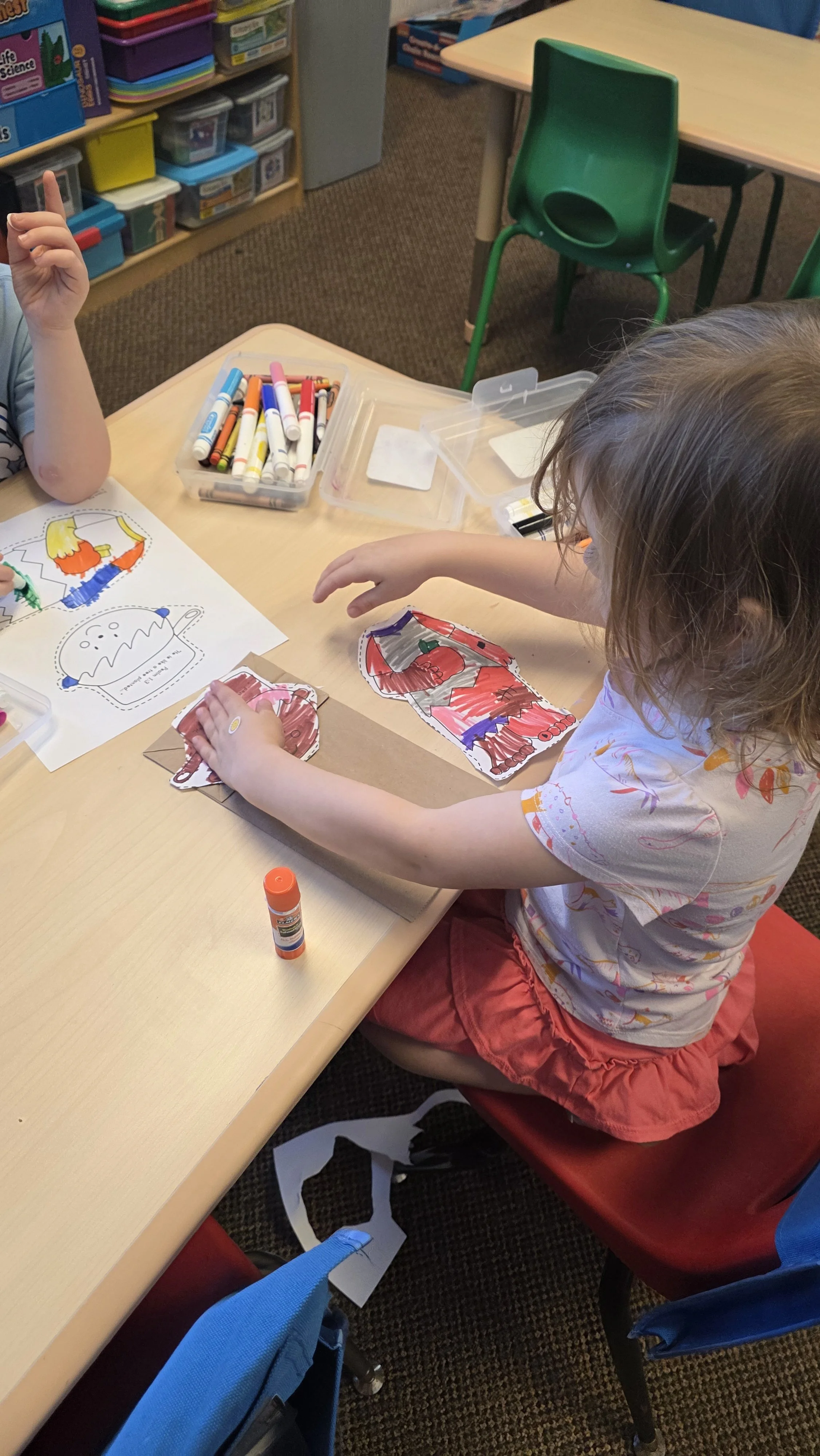
Some children enjoy participating in group discussions, working on team projects, and interacting with many classmates throughout the day. Others may need additional time to process information, feel more comfortable speaking in smaller groups, or benefit from frequent one-on-one guidance from their teacher.
Before choosing a school, think about how your child currently approaches learning.
Do they enjoy being surrounded by other children? Do they confidently ask questions in a group? Or do they tend to participate more when they receive individual encouragement?
Understanding these preferences can help you identify a learning environment that supports your child.
The Benefits of Small Class Sizes
One of the biggest advantages of small class sizes is the potential for more individualized attention.
With fewer students in the classroom, teachers may have more opportunities to understand each child’s strengths, challenges, interests, and learning style.
For some students, this can make it easier to:
Ask questions and participate in discussions
Receive additional help when needed
Build stronger relationships with teachers
Stay engaged during lessons
Receive feedback tailored to their progress
Feel comfortable expressing their ideas
Smaller classes can be particularly appealing for children who are shy, easily overwhelmed by large groups, or who benefit from additional academic support.
However, small classes aren't only for quieter students. Children who are highly engaged may also benefit from having more opportunities to participate and interact directly with their teachers.
What About Highly Social Classrooms?
For children who gain energy from being around others, a larger or more social classroom can provide valuable opportunities.
These environments may expose children to different personalities, perspectives, and ways of thinking. Students can learn how to communicate, collaborate, solve problems, and build relationships with a wider range of peers.
A social classroom may be a good fit for children who:
Enjoy meeting and interacting with others
Feel comfortable participating in groups
Learn well through discussion and collaboration
Enjoy team projects and activities
Adapt easily to different personalities
Are energized by an active environment
For these students, interaction itself can become an important part of the learning experience.
Consider Your Child's Personality
Your child's personality can provide valuable clues about the environment where they may feel most comfortable.
An outgoing child may love a classroom with frequent group activities and lots of interaction. A quieter child may prefer an environment where they have time to observe, think, and gradually become comfortable participating.
But avoid assuming that an introverted child always needs a small class or that an extroverted child automatically needs a large one.
Personality is only one part of the picture.
The goal is to find an environment that gives your child enough comfort to feel secure while also providing opportunities to grow.
Think About Your Child's Learning Style
Consider how your child learns outside the classroom.
Do they understand something quickly after discussing it with another person? Do they prefer working independently? Do visual examples help? Do they need hands-on activities to stay engaged?
While class size doesn't determine teaching quality or instructional style, understanding how a school approaches learning can help you determine whether it matches your child's needs.
When touring schools, ask how teachers accommodate different learning styles and what happens when a student needs additional support—or additional challenges.
Individualized Attention Can Make a Difference
Some children need more frequent feedback and encouragement to stay confident and engaged.
A classroom where teachers have opportunities to recognize individual progress can help students feel seen and supported.
This is especially important when a child is struggling with a particular subject. Early attention may help teachers recognize difficulties and provide support before frustration grows.
Individualized attention can also benefit students who are progressing quickly. Teachers may be able to provide additional challenges that keep those students interested and motivated.
Social Development Matters, Too
Academic success isn't the only consideration when choosing a school.
Children also develop important social and emotional skills through their interactions with classmates.
They learn how to share ideas, handle disagreements, cooperate, listen, communicate, and form friendships.
Parents considering a smaller school or classroom may wonder whether their child will still receive enough social interaction. That's why it's important to look beyond enrollment numbers.
Ask about group projects, extracurricular activities, clubs, sports, school events, and other opportunities for students to interact.
A smaller classroom can still offer a rich social experience when the school intentionally creates opportunities for connection.
Look at the Teacher, Not Just the Number
Class size matters, but numbers don't tell the entire story.
An effective teacher can create an engaging, supportive environment in different classroom settings.
When evaluating a school, consider factors such as:
How teachers communicate with students
How individual needs are addressed
Whether students appear engaged
How the school supports struggling students
How teachers challenge advanced learners
How classrooms encourage participation
How the school communicates with parents
The quality of the relationships inside the classroom can be just as important as the number of students in it.
Visit the School With Your Child in Mind
School tours are an opportunity to imagine your child actually spending their day there.
Instead of focusing only on facilities, pay attention to the atmosphere.
Are students comfortable asking questions? Do teachers seem approachable? Are classrooms calm or highly energetic? Are students collaborating? Is there space for independent learning?
Most importantly, ask yourself:
Can I picture my child feeling comfortable, confident, and excited to learn here?
That question can reveal more than a list of features or statistics.
Ask Your Child What They Think
Depending on your child's age, include them in the conversation.
Ask what they enjoy about their current classroom and what they find difficult. You might discover that they love group projects but dislike large-group discussions, or that they prefer independent work but want more opportunities to make friends.
Children may not be able to describe their ideal learning environment perfectly, but their experiences can provide useful clues.
There Is No Universal "Best" Classroom
When comparing small classes vs. larger social classrooms, remember that neither option is automatically better.
The best classroom is the one where your child has the opportunity to feel supported, challenged, connected, and confident.
For one child, that may mean a small classroom with plenty of individualized attention. For another, it may mean an active social environment with frequent collaboration.
What matters most is the fit.
Find an Environment Where Your Child Can Thrive
Choosing a school is a significant decision, but you know your child better than anyone.
Consider their personality, learning preferences, social needs, strengths, and areas where they may need additional support. Then look for a school environment that recognizes those individual qualities rather than expecting every student to learn in exactly the same way.
Because education isn't simply about finding a good school.
It's about finding the right school for your child.