

Outdoor Play and Movement: Building Strong Bodies and Healthy Minds
Children are naturally designed to move. Running, climbing, jumping, exploring, and playing outdoors are more than ways to burn energy—they are important parts of healthy childhood development.
At Abagtha Academy, we recognize that young children often learn best when their minds and bodies are actively engaged. Outdoor play and physical movement provide opportunities to build strength, develop important skills, explore the world, and support emotional well-being.
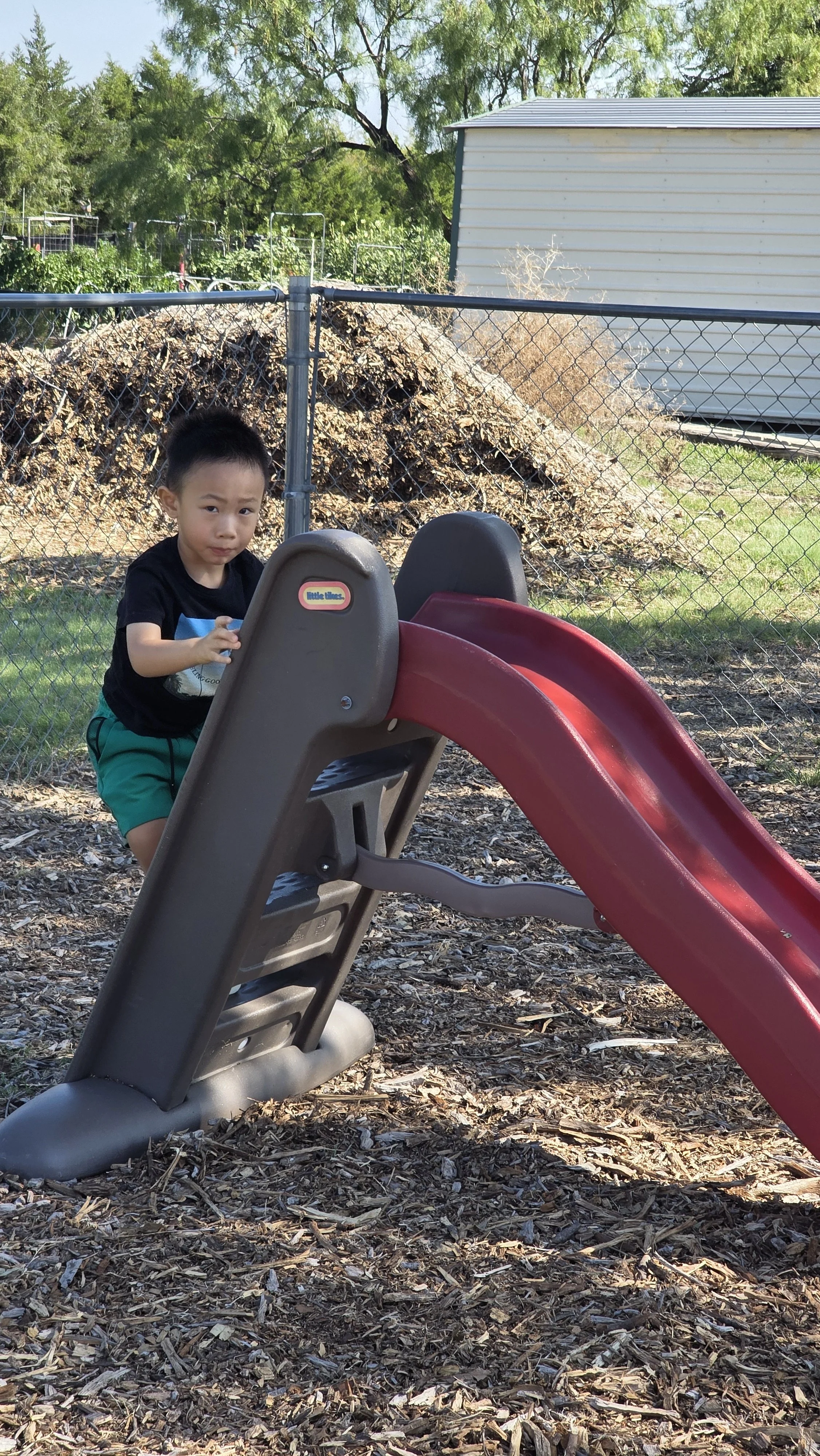
Why Outdoor Play Matters in Early Childhood
Outdoor play gives children opportunities that are difficult to recreate indoors. Open spaces encourage them to move freely, explore their surroundings, and engage their senses.
Whether children are running across a playground, climbing, balancing, or participating in movement games, they are practicing skills that contribute to their overall development.
Regular physical activity for children can support physical health while also encouraging confidence, independence, and positive social interaction.
Building Strong Bodies Through Movement
Young children are constantly developing their gross motor skills. Activities such as running, jumping, climbing, throwing, and balancing help strengthen muscles and improve coordination.
Active play can help children develop:
Balance and coordination
Strength and endurance
Gross motor skills
Body awareness
Healthy movement habits
Giving children regular opportunities to be active helps them become more comfortable and confident using their bodies.
How Physical Activity Supports Healthy Minds
Movement benefits more than physical development. Active play also provides valuable opportunities for children to practice attention, problem-solving, decision-making, and self-regulation.
A simple outdoor game might require a child to follow instructions, remember rules, make quick decisions, and cooperate with others.
These experiences allow children to learn naturally while staying engaged and having fun.
Outdoor Play Encourages Emotional Growth
Physical activity can also provide a healthy outlet for children's energy and emotions.
Outdoor environments give children room to explore challenges at their own pace. Climbing a little higher, trying a new activity, or completing an obstacle can provide a meaningful sense of accomplishment.
These everyday experiences can help children develop confidence and resilience as they learn to try again after something feels difficult.
Developing Social Skills Through Active Play
Outdoor play often brings children together.
Group games and playground activities provide natural opportunities to practice sharing, taking turns, communicating, cooperating, and resolving small disagreements.
These interactions help children understand how to participate in a group while developing friendships and important social-emotional skills.
Learning Through Exploration
Children don't need to sit at a desk to learn.
A playground, garden, or outdoor space can become a rich learning environment. Children can observe plants, notice changing weather, count objects, identify colors, explore textures, and ask questions about what they see.
Combining outdoor learning and physical activity makes learning interactive and meaningful.
Creating Healthy Habits From an Early Age
Introducing children to enjoyable physical activities early can help establish positive attitudes toward movement.
The goal isn't competition or performance. It's helping children discover that moving their bodies can be fun.
Families can encourage active play through walks, trips to the park, dancing, simple movement games, or time spent exploring outside together.
Strong Bodies and Growing Minds at Abagtha Academy
Early childhood is a time of tremendous growth. Giving children opportunities to move, explore, play, and interact with others supports development across many areas.
At Abagtha Academy, outdoor play and movement are valuable parts of creating an engaging environment where children can learn through experience.
When children have the freedom to move, discover, and play, they're doing much more than staying active—they're building skills that can support healthy bodies, growing minds, and a lifelong love of learning.
Discover how Abagtha Academy encourages children to learn, move, explore, and grow through meaningful early childhood experiences.