

The Connection Between Emotional Security and Student Success
Children learn best when they feel safe, supported, and emotionally secure. Emotional security plays a critical role in a child’s ability to focus, build confidence, develop healthy relationships, and succeed academically. When students feel valued and protected in their learning environment, they are more willing to explore, participate, ask questions, and grow.
In both early childhood education and elementary learning environments, emotional security creates the foundation for positive student development and long-term academic success.
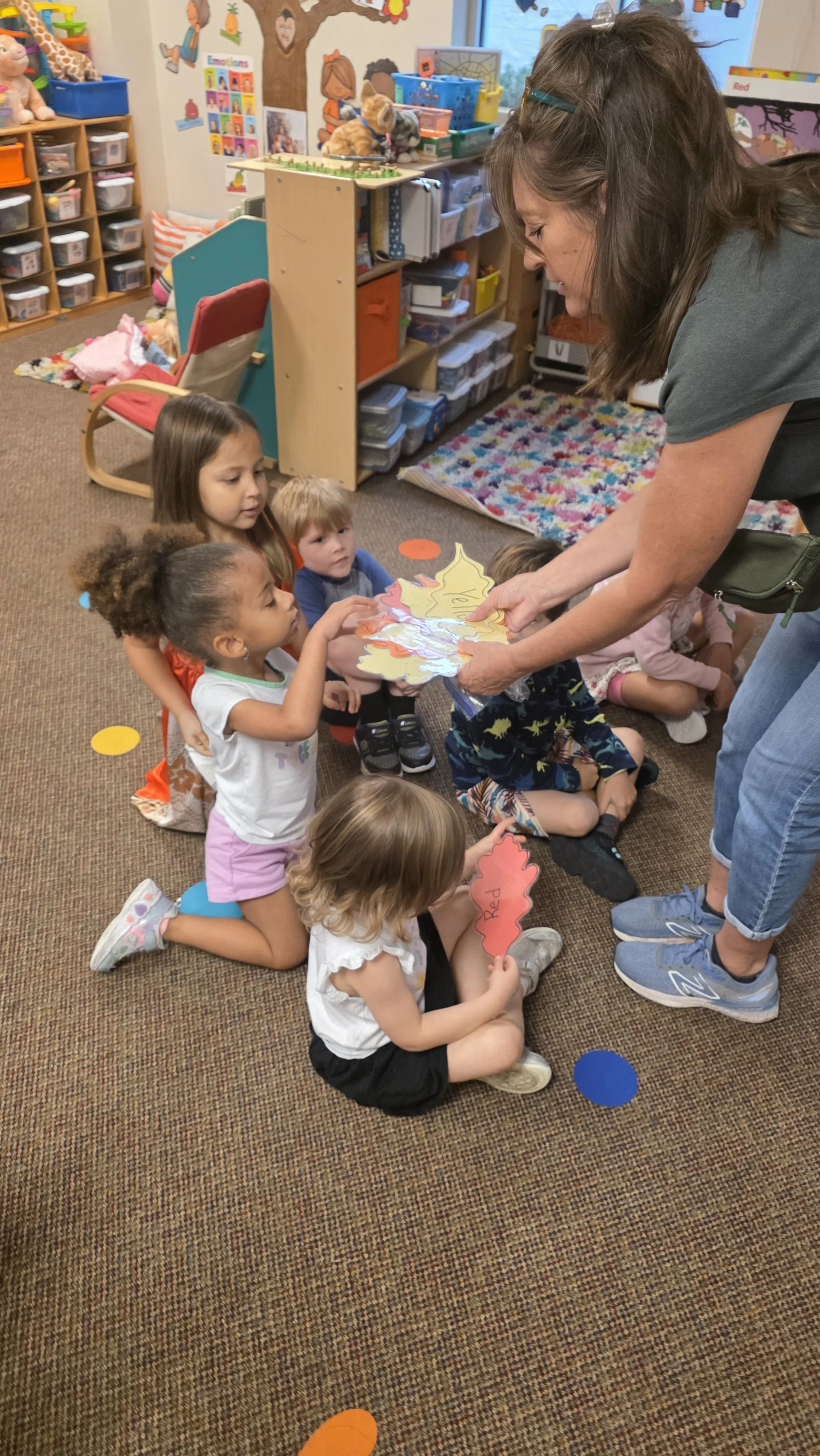
What Is Emotional Security in Education?
Emotional security refers to a child’s sense of safety, trust, belonging, and emotional support within their learning environment. Students who feel emotionally secure know they are cared for, respected, and encouraged by teachers and caregivers.
Emotionally secure learning environments often include:
Consistent routines
Positive teacher relationships
Encouragement and support
Respectful communication
Safe classroom environments
Opportunities for emotional expression
When children feel emotionally safe, they can focus more energy on learning instead of stress or fear.
Why Emotional Security Matters for Student Success
Confidence Encourages Participation
Children who feel emotionally secure are more likely to participate in classroom activities, answer questions, and try new things without fear of embarrassment or failure.
Confidence grows when students know mistakes are part of learning and that their teachers will support them through challenges.
Emotional Security Supports Better Focus
Stress and anxiety can make it difficult for children to concentrate and absorb information. A secure learning environment helps reduce emotional stress, allowing students to focus better on lessons, activities, and social interactions.
When children feel calm and supported, their minds are more open to learning.
Positive Relationships Improve Learning
Strong relationships between teachers, students, and peers create a sense of belonging that directly impacts academic performance. Students who feel connected to their classroom community often demonstrate:
Better classroom behavior
Higher engagement
Improved communication skills
Increased motivation to learn
Positive emotional connections help children feel comfortable enough to fully participate in their educational experience.
Emotional Safety Encourages Curiosity and Creativity
Children naturally learn through exploration, questions, and creativity. Emotional security gives students the confidence to express themselves openly without fear of judgment.
Secure environments encourage:
Creative thinking
Problem-solving
Curiosity
Independent learning
Healthy social interaction
Students who feel emotionally safe are often more willing to take educational risks that support growth and development.
The Role of Teachers and Parents
Both teachers and parents play important roles in building emotional security for children. Consistency, patience, encouragement, and open communication help children feel supported at home and in school.
Ways adults can support emotional security include:
Listening without judgment
Creating predictable routines
Encouraging positive communication
Recognizing effort and progress
Helping children manage emotions
Building trust through consistency
These supportive interactions help children develop confidence, resilience, and emotional stability.
Emotional Security and Early Childhood Development
In early childhood education, emotional security is especially important because young children are still developing social, emotional, and communication skills. Safe and nurturing learning environments help children:
Build self-confidence
Develop healthy relationships
Improve emotional regulation
Strengthen communication skills
Feel comfortable exploring new experiences
The emotional experiences children have early in life often shape their future approach to learning and relationships.
Creating Safe and Supportive Learning Environments
Schools and educational programs that prioritize emotional well-being often create stronger learning outcomes for students. A supportive environment helps children feel respected, included, and encouraged to succeed both socially and academically.
Creating emotional security is not just about academics — it is about helping children develop into confident, capable, and emotionally healthy individuals.
Final Thoughts
Student success is about more than grades and test scores. Emotional security plays a powerful role in helping children learn, grow, and build confidence in themselves and their abilities.
When children feel safe, valued, and emotionally supported, they are more likely to engage fully in learning, build positive relationships, and develop the confidence needed for long-term success.
Creating emotionally secure learning environments helps children thrive both inside and outside the classroom.