
Choosing a preschool is one of the first major educational decisions parents make for their child. While it can feel overwhelming to compare programs, classrooms, and teaching philosophies, finding the right preschool can have a lasting impact on your child's academic, social, and emotional development.
The early years are a critical time for learning and growth. A quality preschool environment helps children build confidence, develop essential skills, and create a strong foundation for future success in school and life.
If you're searching for the best preschool for your child, here are some important factors to consider.
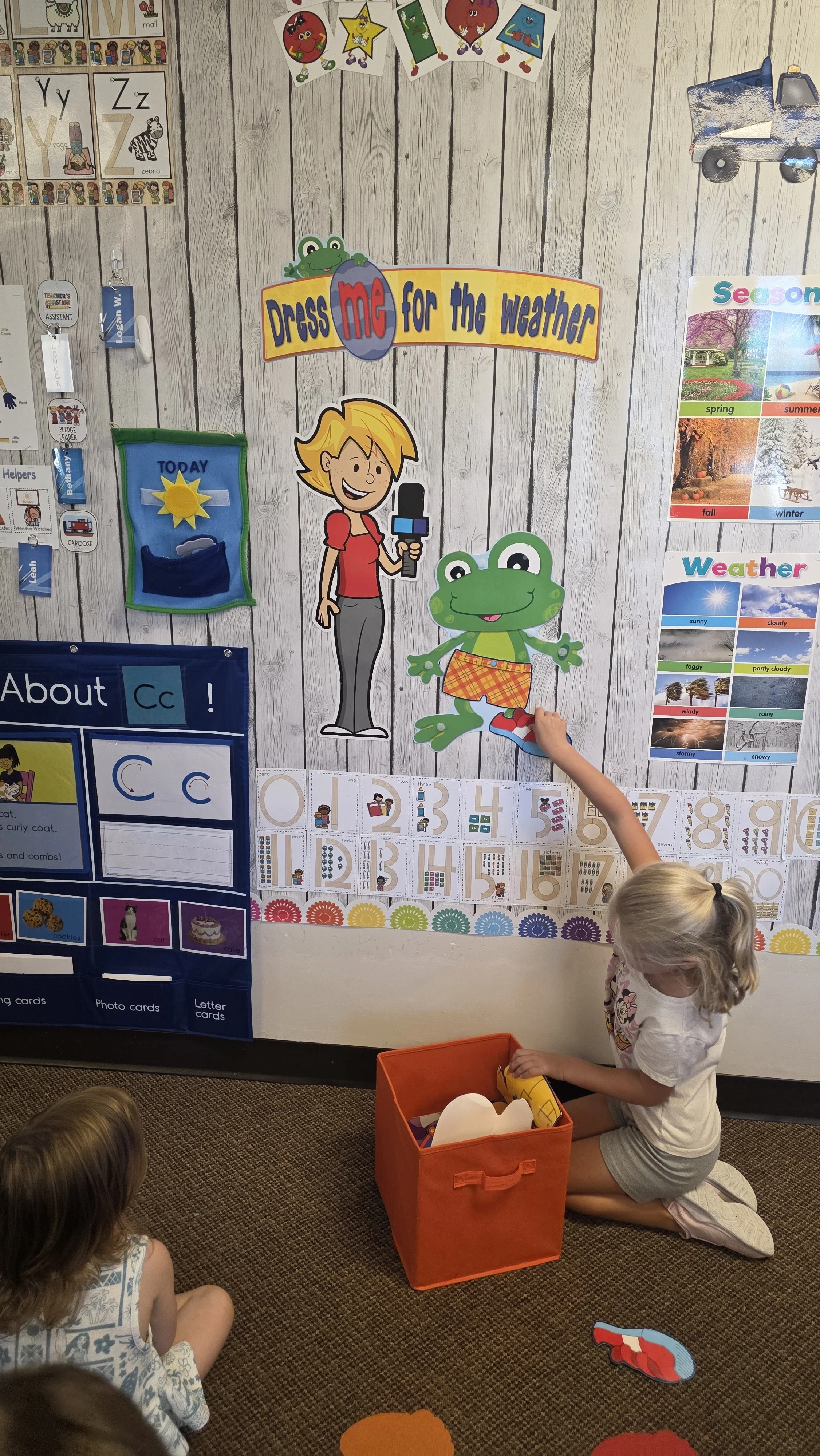
A Safe and Nurturing Environment
A child's first learning experiences should take place in an environment where they feel safe, supported, and valued.
When visiting a preschool, pay attention to how teachers interact with children. Are they patient, encouraging, and engaged? Do children appear happy, comfortable, and confident?
A nurturing environment helps children feel secure enough to explore, learn, and build positive relationships with their peers and teachers.
Safety should also be a top priority. Look for secure entry systems, clean classrooms, age-appropriate equipment, and clear safety procedures.
Qualified and Caring Teachers
Teachers play a significant role in shaping a child's early learning experience.
A strong preschool program employs educators who have experience and training in early childhood education. Beyond credentials, look for teachers who genuinely enjoy working with young children and create positive relationships with their students.
The best teachers understand that every child develops at their own pace and provide individualized support to help each child succeed.
Age-Appropriate Curriculum
Preschool should balance learning and play in a way that supports healthy development.
An effective curriculum introduces children to foundational concepts such as:
Early literacy skills
Number recognition and math concepts
Problem-solving abilities
Communication skills
Creativity and imagination
Social and emotional development
Rather than focusing solely on academics, quality preschool programs use hands-on activities and play-based learning to keep children engaged and excited about learning.
Small Class Sizes and Individual Attention
Young children benefit from personalized support and meaningful interactions with teachers.
Smaller class sizes often allow educators to spend more time with each child, better understand their needs, and provide individualized guidance.
Children are more likely to participate, ask questions, and build confidence when they receive personal attention in the classroom.
When evaluating a preschool, ask about teacher-to-student ratios and class sizes.
Opportunities for Social Development
Preschool is often a child's first experience learning and interacting within a group setting.
A quality preschool helps children develop important social skills such as:
Sharing
Taking turns
Cooperation
Communication
Empathy
Conflict resolution
These skills are essential for future success in both school and life.
Look for programs that encourage collaboration, group activities, and positive peer interactions.
Focus on Kindergarten Readiness
One of the primary goals of preschool is preparing children for a successful transition to kindergarten.
A strong preschool program helps children develop:
Listening skills
Following directions
Independence
Problem-solving abilities
Early reading and writing skills
Classroom routines
Kindergarten readiness is about more than academics. Children also need emotional confidence, self-regulation, and social skills to thrive in a school environment.
Parent Communication and Involvement
The best preschool programs view parents as partners in their child's education.
Regular communication helps families stay informed about their child's progress, classroom activities, and developmental milestones.
Ask how the preschool communicates with parents. Examples may include:
Daily updates
Parent-teacher conferences
Newsletters
Progress reports
Family events
A strong home-school connection creates consistency and supports a child's overall development.
A Learning Environment That Encourages Exploration
Young children learn best when they are encouraged to explore, ask questions, and discover new ideas.
Look for classrooms that provide:
Hands-on learning materials
Reading areas
Creative art activities
Sensory experiences
Outdoor play opportunities
Interactive learning centers
These experiences help foster curiosity, creativity, and a lifelong love of learning.
Values and Philosophy That Align With Your Family
Every preschool has its own teaching approach and educational philosophy.
Some programs emphasize academic readiness, while others focus more heavily on play-based learning, faith-based education, social development, or child-led exploration.
Take time to learn about each program's philosophy and determine whether it aligns with your family's goals and values.
Finding a preschool that feels like a good fit can help both parents and children feel more comfortable and confident.
Trust Your Instincts
While researching programs and asking questions is important, parents should also trust their instincts.
During your visit, consider:
Does the environment feel welcoming?
Do teachers seem engaged and caring?
Are children actively participating and enjoying themselves?
Can you picture your child thriving there?
Often, your overall impression can provide valuable insight into whether a preschool is the right choice.
Investing in Your Child's Future
Choosing a preschool is about more than finding a place for your child to spend the day. It is about selecting an environment that supports growth, learning, confidence, and development during some of the most important years of life.
The right preschool can help children build strong academic foundations, develop meaningful relationships, and cultivate the skills they need for future success.
By focusing on safety, qualified teachers, curriculum quality, social development, and family involvement, parents can feel confident they are making a decision that benefits their child both now and in the years ahead.